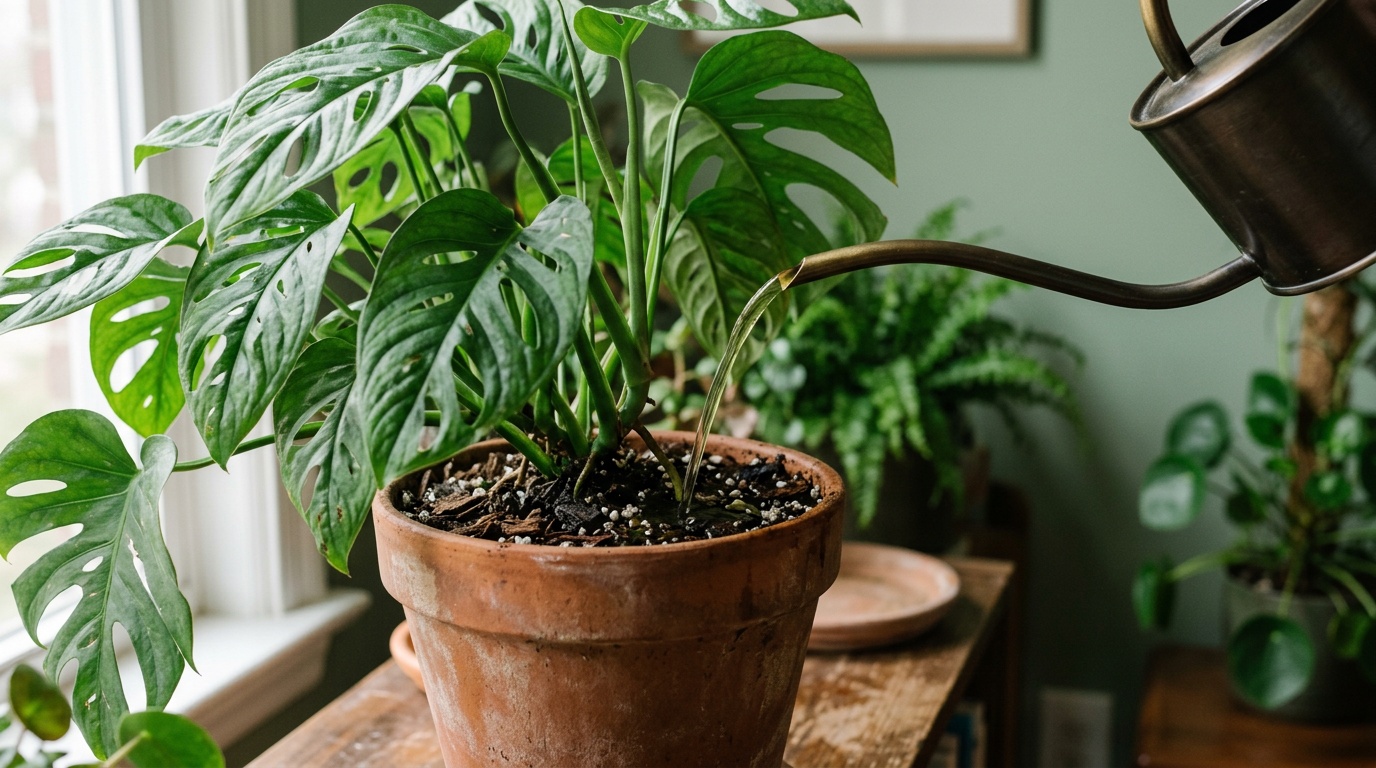
I Switched to Aquarium Water for My Plants. Here's What Happened
Quick answer
Aquarium water benefits houseplants because fish waste breaks down into nitrates — a natural fertilizer your plants can absorb directly. Using freshwater from an established tank as a supplement to regular watering can visibly improve growth over time, especially in leafy tropicals. It doesn't replace good care, but it's a genuinely useful addition.
Okay, so here’s how this started. I have a small freshwater tank — nothing fancy, just a 20-gallon setup with a few fish — and whenever I do a partial water change, I end up with a bucket of old tank water. For a while I just poured it down the drain. Then I read somewhere that aquarium water is actually good for plants, and I thought, why not try it? That was about eight months ago. I’ve been using it on my houseplants ever since, and honestly? I’m not going back.
This isn’t some miracle claim. My plants didn’t triple in size overnight. But over time — we’re talking weeks and months — I started noticing that the plants getting aquarium water just looked… better. Fuller. New growth coming in a little faster. And once I understood why it works, it made total sense.
What’s Actually in Aquarium Water That Plants Want?
The short version: fish waste.
I know that doesn’t sound appealing, but stay with me. Fish produce ammonia as a waste product. In a healthy, established tank, beneficial bacteria break that ammonia down — first into nitrites, then into nitrates. Nitrates are what plants use as a food source. It’s basically the same nitrogen cycle that makes compost and worm castings so good for your soil.
So when you pour that tank water onto your plants, you’re giving them a diluted liquid fertilizer that’s already in a form they can absorb. It’s not concentrated or harsh. It’s mild enough that you’re not going to burn your roots, which is actually great — kind of like how I fertilize with a basic fertilizer at a low dose every time I water rather than hitting plants hard once a month.
The key word in all of this is established. A brand-new fish tank hasn’t cycled yet, which means the beneficial bacteria haven’t had time to colonize and convert that ammonia. Water from a new tank could actually have high ammonia levels, which is not what you want on your plants. Give a tank at least six to eight weeks before you start using the water on anything you care about.
Which Tanks to Use (and Which to Skip)
Use water from:
- Freshwater tanks that have been running for at least 6–8 weeks
- Tanks with healthy fish and active filtration
- Tanks that look slightly tinted or cloudy from organic matter — that’s the good stuff
Don’t use water from:
- Saltwater or marine tanks — salt will damage your plants over time
- Tanks being treated with medication for sick fish — those chemicals can harm plants and soil bacteria
- Tanks that smell truly foul or look like a swamp — something’s off and you don’t want to introduce that to your pots
Most freshwater community tanks — the kind people keep with tetras, guppies, or goldfish — are perfect. Goldfish tanks especially tend to produce a lot of waste, which means more nutrients in the water.
Which Plants Respond Most Visibly
In my experience, the plants that seem to notice aquarium water the most are the leafy tropicals — the ones that want steady, moderate nutrition and consistent moisture.
My pothos have been going wild. Same with my philodendrons. I have a fiddle-leaf fig that had been just sitting there for months doing nothing, and after a few months of aquarium water it put out three new leaves in a row. Could be coincidence. Could be the season. But I’m crediting the fish.
Herbs respond really well too. Basil especially — it’s a fast grower and a heavy nitrogen user, so the extra nitrates seem to suit it.
Plants that probably won’t show as dramatic a difference: cacti and succulents. They’re already used to lean conditions and they don’t want or need much fertilizer. You can use aquarium water on them occasionally, but it’s not really their thing.
If you have a monstera and you’re using a dedicated fertilizer like HiThrive Monstera Plant Food (16oz), aquarium water can work alongside that — just back off a little on the fertilizer dose so you’re not overdoing nitrogen.
How I Actually Use It
I don’t use aquarium water every single time I water. I do a partial water change on my tank about once a week — usually 20–25% of the water — and that gives me a couple gallons of nutrient-rich water to work with. I use it on whatever plants are due for water that day.
The rest of the time I use regular tap water that I’ve let sit out overnight. This lets the chlorine off-gas, which I think is better for the beneficial bacteria in the soil. (If you’re curious about whether tap water is actually a problem for your plants, that’s a whole other conversation worth having — but the short answer is it depends on what’s in your specific water supply.)
I don’t overthink the schedule. I check the soil before I water anything. A Fpxnb Soil Moisture Meter makes that really easy — I just stick it in and see where the reading lands. If the soil is still damp, I skip it. If it’s dry, it gets water. Learning how to know when to water without any schedule at all genuinely changed how I care for my plants, because each one has its own timeline and each pot dries out differently.
Does It Replace Fertilizer?
Sort of, but not completely. Aquarium water is a good natural nitrogen source, but nitrogen is just one piece of the puzzle. Plants also need phosphorus (for roots and blooms) and potassium (for overall health and stress resistance). Aquarium water is light on both of those.
So I think of it as a supplement, not a replacement. For my lighter feeders — pothos, philodendrons, most of my trailing plants — aquarium water during the growing season probably covers a good chunk of what they need. For hungrier plants or anything I’m pushing to grow faster, I still fertilize separately, just maybe a little less often than I would otherwise.
A Note on Soil
This is worth mentioning: aquarium water works best when your soil is actually set up to support the kind of microbial activity that makes nutrients available to plants. Store-bought potting mix is often pretty dense and breaks down in ways that aren’t great long-term. If your plants are sitting in soil that’s compacted or waterlogged, the aquarium water can only do so much.
I make my own potting mix — coco husk fiber, sphagnum moss, orchid bark, a little charcoal, and worm castings — and I really do think that’s made a difference in how well my plants respond to everything, including aquarium water. If you want to dig into why store-bought mix can be a problem for tropicals, this post on store-bought potting mix is worth reading before you repot anything.
What I Actually Noticed, Month by Month
To give you a realistic picture — here’s roughly what I observed over the first few months of making the switch:
| Timeframe | What I noticed |
|---|---|
| Weeks 1–3 | Nothing obvious. Plants looked the same. |
| Month 1–2 | Pothos and philodendrons pushed out new leaves a little faster than usual |
| Month 3–4 | Fiddle-leaf fig put out new growth after a long stall |
| Month 5+ | Growth across most plants has felt more consistent — fewer long pauses |
Again — I can’t prove causation here. But the timing lines up, and the logic behind it is sound enough that I’m not going back to dumping that water down the drain.
Is It Worth It If You Don’t Have Fish?
Probably not worth buying a fish tank just for the water. That’s a lot of commitment for a plant fertilizer hack. But if you already have a tank, or you’re thinking about getting one, this is a genuinely nice bonus that takes zero extra effort. You’re doing the water change anyway. You might as well put that water to use.
And honestly, if you don’t have a fish tank but you want something similar — worm casting tea or a mild liquid fertilizer diluted way down can get you in the same ballpark. It’s the “frequent, gentle nutrition” approach that seems to work, whatever form it comes in.
The aquarium water thing sounds strange when you first hear it. I get it. But once you understand what’s in the water and why plants respond to it, it actually makes a lot of sense. Give it a try if you’ve got a tank. Your plants will probably appreciate it more than the drain does.
Frequently asked questions
Is aquarium water good for houseplants?
Yes — freshwater from an established fish tank is rich in nitrates from fish waste, which plants use as a natural fertilizer. Most leafy houseplants respond well to it, especially when used regularly as a supplement to normal watering. Just stick to freshwater tanks and avoid water from tanks that have been treated with medication.
Can I use fish tank water to water my plants?
You can, and it works well. Use water from a freshwater, established tank — not saltwater, and not a newly set-up tank that hasn't cycled yet. The water should look slightly tinted but not murky or foul-smelling. You can use it every time you water or just occasionally — either way, it adds a gentle nutrient boost.
What water is best for indoor plants?
Filtered water or water that's been left out overnight to off-gas chlorine both work well. Aquarium water is actually a step above plain tap water for most plants because it carries natural nitrates. Rainwater is another good option. What matters most is that the water isn't full of salts, heavy chloramine, or softener chemicals.
Does aquarium water replace fertilizer for plants?
Not entirely. Aquarium water provides a good natural source of nitrogen, but it's lighter on phosphorus and potassium — nutrients plants also need. Think of it as a gentle, ongoing supplement rather than a complete fertilizer. If your plants are heavy feeders, you'll probably still want to fertilize separately during the growing season.